PR is just a Part of Communication Strategy, not the Whole Communication Strategy.
1. An overview of existing PR PESO model.

Because earned media is highly trusted, PR(Public Relations) alone are often considered sufficient as a total communication strategy.
That is not always the case, especially, with the rise of AI tools. AI itself poses a threat to credibility of the entire PESO model and SEO for any brand.
Before AI trust towards a specific brand was built through consistent narrative presence across all PESO touch points, not a single channel.
Components Of The PESO Model
Paid media refers to sponsored content like social media ads(Google Ads/Facebook Ads/TikTok Ads), influencers and sponsored articles to increase brand awareness. Paid media helps to ensure the content reaches the intended audience.
Brand gets media and PR coverage from loyal customers without spending anything. This is called earned media, or user generated content. Brands achieve that trust by consistently offering quality and reliable services or goods.
Shared media refers to social media platforms where shares, likes and mentions measure any post’s success. With a strong presence on platforms like Linkedin, Instagram, Facebook, TikTok and X, a company can reach new audiences and go viral when a post resonates with a specific community or multiple communities.
Owned media consists of native brand communication channels like websites, blogs and email newsletters.
2. General Earned Media limitations of the PESO Model.

Earned Media component of the PESO model has lots of limitations, because it requires word of mouth effect from loyal customers to other users to be successful.
Building trust with a loyal customer base takes a lot of time and effort from a company and that company needs to make revenue before that Earned Media component starts working in their favor.
Company has almost no control over Earned Media component of the PESO model, the control is in the hands of the customers.
Competitors
that have already gained the customers trust over the years will always
have more advantages, compared to new companies that are just starting
out on the market.
Shared Media and Paid Media are great alternatives to the Earned Media component of the PESO model.
One of the greatest examples of how Shared Media and Paid Media components work together is TEMU.
While
not providing the greatest quality of goods and services, TEMU is
everywhere. You can’t click on any social media post without getting
spammed by TEMU advertisements in all shapes and forms.
3. How AI tools and their public perception reshaped Earned Media component of PESO Model for Microsoft.
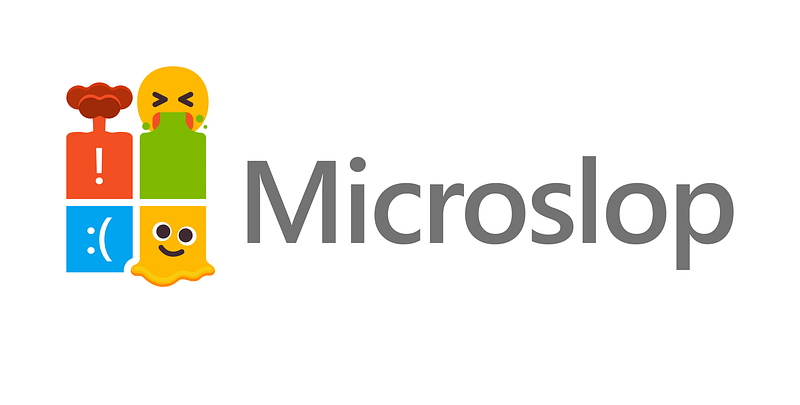
With the rise of AI tools, even the most popular brands like Microsoft started to loose trust from their loyal customers.
A recent term “Microslop” went viral. “Microslop” is a combination of the popular term “AI slop” that refers to low effort, poor quality AI generated content and brand name Microsoft.
Excessive reliance on AI tools completely reshaped the Earned Media component of the PESO Model for Microsoft. AI tools instead of helping the Microsoft brand grow more trust with their loyal customer base, which was acquired over decades of work, made Microsoft a laughing stock on the internet and online meme culture.
Corporate
customers are also not happy with Copliot AI being put into every
product, including Enterprise Office 365 subscription suites.
Another major issue was the latest Windows Updates.
Microsoft recently announced that all Windows Updates will be created with heavy AI usage for coding.
2026 January and February Windows Updates introduced a lot of issues for corporate and individual users, further decreasing trust in Microsoft brand.
4. How AI crawler bots are reshaping the current SEO(Search Engine Optimization) Model for everyone.
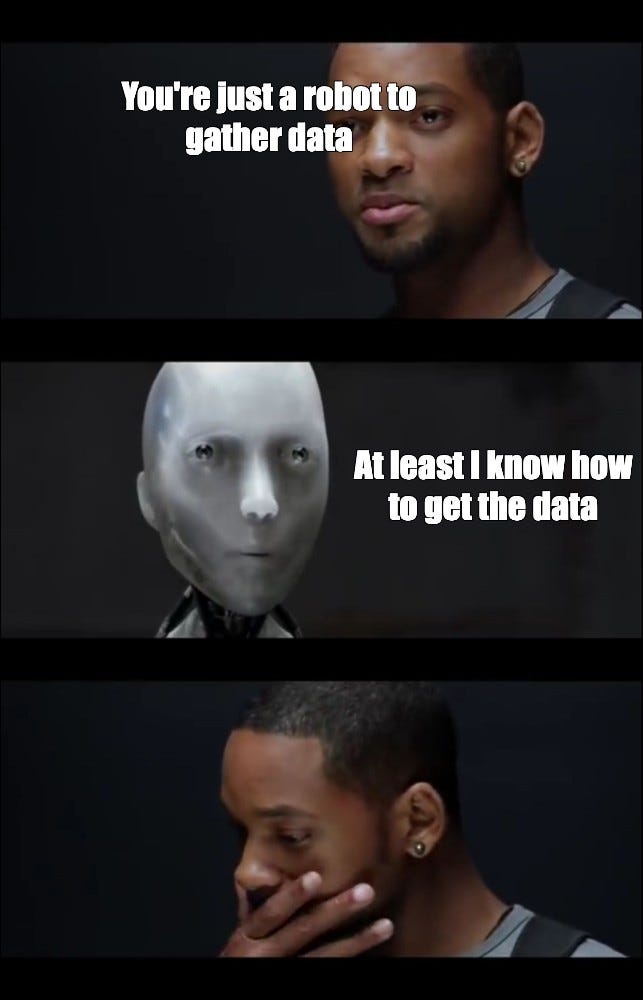
With more and more companies like Microsoft and Amazon jumping on the AI hype train, the internet is becoming crowded with AI crawler bots, that are scraping data to train their models from every place possible like Reddit, Stack Overflow and other sources.
AI also changes the way users receive content. More and more users heavily rely on AI tools like ChatGPT or AI quick search to give them fast answers, instead of using the web search engines that are defined by traditional SEO practices.
Not every AI web crawler bot can find a website of a currently unknown brand to scrape information, especially, if that website was not optimized to be AI bot friendly.
However, there are a lot of downsides to AI bots scrapping and processing data for the end-users, they just return the answer, without providing the source website.
Some open source project websites like Debian and Arch Linux websites have already put restrictions in place for AI bots, because these AI crawler bots just scrape data and provide wrong answers and do not provide users with the source website.
Even if a new or unknown brand has created something unique, AI crawler bots will just give the end user the scrapped AI generated answers without providing the source website, or give credit to the source of some other brand.
5. Possible solutions to existing PESO Model, AI tools heavy reliance and SEO issues.

Considering the increased usage of AI tools by users and the general limitations of the Earned Media PESO Model it’s best to rely on other PESO Model components.
The best example is TEMU, because TEMU effectively uses a combination of Paid Media and Shared Media all the time, which means that TEMU brand gets picked up by all AI crawler bots for scraping and tops the traditional SEO search results.
While TEMU does not provide the best goods or services, TEMU managed to effectively master promotion of their brand by efficiently using two components of the PESO model.
AI is just a tool, it can be used, but it needs human oversight. And it’s best to use genuine human interaction when promoting a specific brand content, to avoid the “Microslop” situation, where the customers lost trust in the brand because of AI.
Author,
silentgameplays.


Comments
Post a Comment